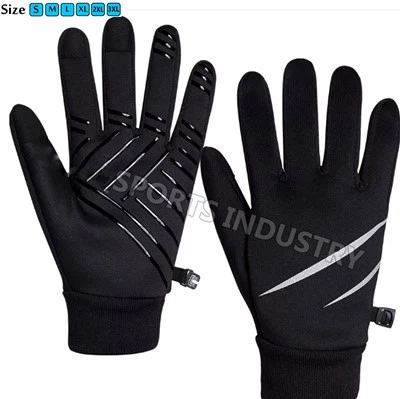
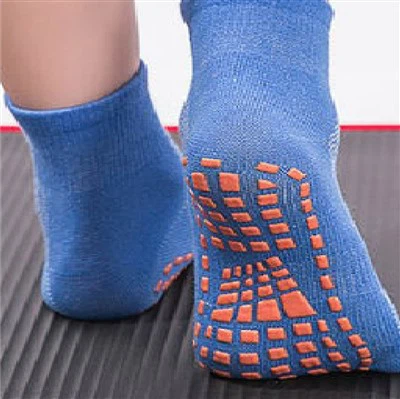
In modern garment printing, T-Shirt Printing Silicone Ink has become an ideal choice for high-end customization and technical apparel. Its advantages are not only reflected in the soft touch and durability perceived by users, but more importantly in the unique chemical structure and molecular-level reaction mechanisms of silicone materials, which enable the formation of a firm yet elastic printing layer on cotton, polyester, and blended fabrics.
Elasticity Derived from the Siloxane Backbone
The core structure of silicone (Polydimethylsiloxane, PDMS) is the repeating –[Si–O]– backbone, where each silicon atom is bonded to organic side groups (such as methyl or phenyl). The Si–O bond has a longer bond length and a more flexible bond angle compared to carbon–carbon bonds, giving the polymer chain exceptional flexibility and resilience under large deformation.
Significance in T-shirt printing:
During wearing and washing, fabric fibers undergo continuous stretching and deformation. The silicone print layer can elongate together with the fabric without cracking, achieving molecular-level elastic compatibility.
Chemical Adhesion Between Hydroxyl Terminals and Fibers
Many silicone printing inks are RTV-type materials containing hydrolyzable –Si–OH terminal groups. Under the action of heat or catalysts, these hydroxyl groups undergo condensation reactions to form a crosslinked network:

At the same time, hydroxyl groups (–OH) present on the fiber surface-especially on natural fibers like cotton-can form hydrogen bonds or weak covalent interactions with the silicone network.
Application in T-Shirt Printing Silicone Ink:
This molecular-level adhesion allows the print layer to remain stable after repeated washing and stretching, far exceeding the durability of conventional inks.
Molecular Penetration and Fiber Compatibility
The hydrophobic side groups (–CH₃) along the PDMS chain exhibit compatibility with hydrophobic regions of textile fibers. This allows the ink to partially penetrate into the inter-fiber spaces during printing rather than remaining only on the surface.
Improvement in print performance:
The design becomes semi-embedded within the fabric structure, increasing adhesion while maintaining fabric softness and breathability-one of the distinctive advantages of T-Shirt Printing Silicone Ink.
Thermal Curing and Formation of a Crosslinked Network
Silicone ink forms a three-dimensional crosslinked network through heat or catalytic curing.
Chemical mechanism: Condensation of Si–OH groups generates a strong Si–O–Si network. The crosslink density can be controlled to balance durability and elasticity.
Practical significance: The printed pattern maintains high flexibility while achieving excellent resistance to abrasion, washing, and UV exposure.
Conclusion
The superior performance of T-Shirt Printing Silicone Ink originates from its chemical nature:
- The elastic backbone ensures crack-free flexibility;
- Hydroxyl terminals provide chemical adhesion to fibers;
- Molecular penetration enhances fiber compatibility;
- The crosslinked network forms a stable and wear-resistant print layer.
From molecular structure to printing performance, silicone materials demonstrate the perfect integration of chemical design and functional textile printing, making them an advanced solution for modern apparel decoration.

Hot Tags: t-shirt printing silicone ink, China, suppliers, manufacturers, factory, wholesale, price, pricelist, free sample