Products Description
XG-399-3 is a high-performance screen printing glossy silicone ink for fabric, designed for producing clear, durable, and high-gloss prints on a wide range of materials including cotton, polyester, nylon, knitted fabrics, woven fabrics, waterproof fabrics, shoes, and umbrella fabrics.
It can be used as the final glossy coating layer in a multi-step printing process. Compatible with transparent or build-up silicone inks such as XG-866A-2Y, XG-866AH, and XG-866Q, it allows control of print thickness, softness, and three-dimensional effects, ensuring anti-slip, high-gloss, and long-lasting results.
Key Features
- Low viscosity, excellent leveling, fast de-foaming
- High transparency, anti-slip, and strong elasticity
- Bright glossy surface with excellent wear resistance
Detailed Screen Printing Process
Step 1: Primer
- Use XG-110A followed by XG-180A-1 for nylon, shoes, waterproof fabrics, and umbrella fabrics.
- For knitted (cotton) or woven fabrics, use XG-180A-1 directly. Optionally, XG-360Z-3X can be used as a general primer.
Step 2: Transparent / Build-Up Printing
Print XG-866A-2Y for standard transparency, XG-866AH for fast thick layers, or XG-866Q / XG-866A-2Y (rounded) for soft or rounded effects.
Add catalyst XG-866B-2 (2–3% for bulk, 3–5% for sample) and thinner XG-128AH (5–20%) to control curing speed, flow, and leveling.
Catalyst and thinners control curing and flow:
- Increasing catalyst quantity → faster curing, faster drying
- Decreasing catalyst→ slower curing, slower drying
The chemical effect: improves leveling and de-foaming
- Thinner: more → slower color development
- less → faster color development
The chemical effect:Adjust flow and viscosity to prevent screen clogging
Step 3: Coloring
Add color paste 5–20% with the silicone layer from step 2.
Add catalyst XG-866B-2 (2–3% for bulk, 3–5% for sample) and thinner XG-128AH (5–20%) to control curing speed, flow, and leveling.
Control curing and flow is same as up
Step 4: Glossy Coating
Apply XG-399-3 for glossy finish. Must be the final layer.
Printing Ratios & Layering
- Primer:
Catalyst
XG-110A + XG-110B (10%),
XG-180A-1 + XG-180B-1 (10%),
XG-360Z-3X + XG-866B-2 (2%)
- Step 2 & 3:
Catalyst
Silicone + XG-866B-2 (2–3% bulk, 3–5% sample),
thinner (5–20%),
color paste (10–20%)
- Step 4: Glossy layer with
Catalyst
Glossy silicone + XG-866B-2 (2–3%)
Printing Times Of Screen Printing Glossy Silicone Ink For Fabric:
- For better adhesion, print primer XG-110A and XG-110B twice.
- Transparent layers: 3–4 times depending on requirement
- Thick layers: according to sample needs
- Glossy layer: usually two prints
Ensure each layer is surface dry before printing the next; final oven cure at 100–120℃
Mesh & Color Separation:Each color in a pattern requires a separate mesh
Standard mesh count: 120 mesh
For complex or multi-effect patterns, restart from primer layer before applying glossy/matte coating
Instructions
- Before Mixing: Accurately weigh Components A and B according to the specified ratio.
- When Mixed: Mix thoroughly at a 100:2 ratio to ensure uniformity.
- Screen Printing: Transfer the mixed glossy silicone onto the screen, use a squeegee to print onto fabric, optionally adjust mesh height for better gloss.
- Curing: Oven temperature 120–150℃. Curing time varies depending on thickness.

Typical Use
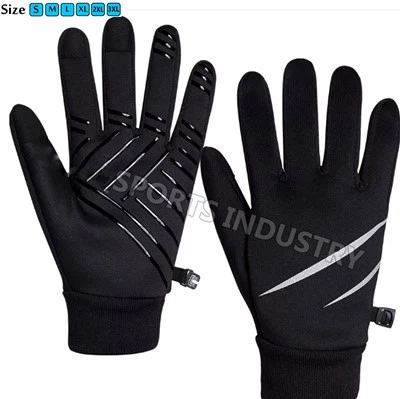
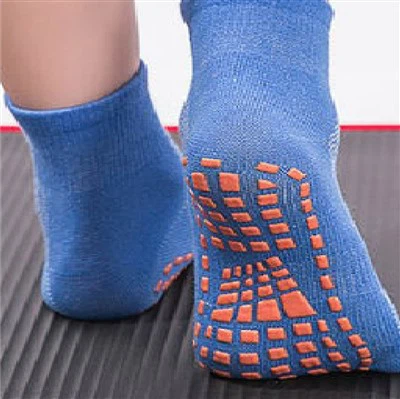
Used as a glossy coating layer in silicone printing to achieve anti-slip, high-transparency, mirror-like glossy effects.
Works with transparent or build-up silicone inks to create different thicknesses and softness levels.
Ideal for screen printing logos, decorative patterns, and functional designs on fabric.
Notes
- Accurate ratio of Components A and B is critical; incorrect ratio affects vulcanization and final properties.
- Avoid contact with materials containing nitrogen, phosphorus, sulfur, or tin as they may inhibit curing.
Typical Property Data
|
Item |
A Component |
B Component |
|
Before Curing |
||
|
Appearance |
Translucent paste |
Colourless transparent |
|
Viscosity (cps, 25℃) |
7500–9500 |
800–1200 |
|
Mixing Ratio by Weight |
100:2 |
- |
|
Working Time (hr, 25℃) |
>12 |
- |
|
After Curing |
||
|
Hardness (Shore A) |
44–46 |
- |
|
Tensile Strength (MPa) |
≥4.5 |
- |
|
Elongation at Break (%) |
≥150 |
- |
|
Tear Strength (kN/m) |
≥3.5 |
- |
Note: Data is for reference only. Due to different testing and production conditions, we recommend testing under your own conditions.
Application Examples
- Glossy logos on shoes
- High-gloss branding on sports shoes
- Umbrella fabric glossy prints
- Decorative patterns on waterproof fabrics
- Bright, glossy logos on cotton, polyester, knitted/woven fabrics
Packing, Storage & Transportation
- Packing: A: 20 kg/barrel, B: 2 kg/can
- Storage: 12 months at room temperature; best used within 6 months after opening
- Non-toxic, harmless, non-dangerous; avoid tumble, collision, or exposure to sharp objects
Hot Tags: screen printing glossy silicone ink for fabric, China, suppliers, manufacturers, factory, wholesale, price, pricelist, free sample