Products Description
Reverse heat transfer printing is a unique heat transfer technique widely used for producing glossy, matte, and thick board effects. Compared to other traditional printing methods, reverse heat transfer printing offers a special process that delivers a high-gloss, uniform surface, making it ideal for products that require a glossy finish.
Reverse Heat Transfer Silicone Glossy Printing
Reverse heat transfer silicone glossy printing process is key to achieving its distinctive effects. Unlike traditional methods, reverse heat transfer does not rely on molds but uses heat transfer to apply silicone material from a film onto the target surface. For glossy effects, reverse heat transfer creates a smooth, reflective surface with consistent gloss. The pre-process Reverse Heat Transfer Silicone Printing For T-Shirt Printing, (Reverse Heat Transfer Silicone Glossy Printing)ensuring smooth execution and high-quality results.
The glossy effect of reverse heat transfer printing largely depends on the type of film used. Different films, such as PET film, PVC film, or specialty coated films, can influence the final gloss level and surface smoothness. Choosing the appropriate film ensures optimal adhesion, enhances the reflective quality, and maintains uniform gloss across the entire printed area. By carefully selecting the film, manufacturers can achieve the desired high-gloss finish while preserving the stability and durability of the silicone print.
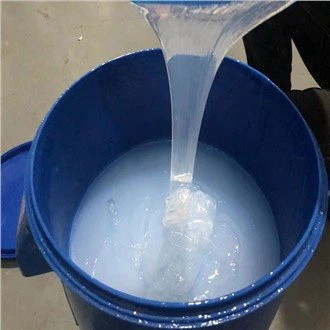
The choice of silicone is also crucial in this process. Typically, a mix of round corner silicone XG-866A-2Y and right angle silicone XG-866AH is used. This silicone mix ensures a more flexible result, preventing brittleness and hole formation, ensuring the stability and durability of the glossy effect.
Comparison with Other Printing Methods
Glossy Effect: Compared to direct printing and conventional heat transfer, reverse heat transfer printing delivers a more consistent and long-lasting glossy finish. By controlling the process carefully, it ensures an even, high-gloss effect over large surface areas.
Adaptability and Stability: Reverse heat transfer is adaptable to a variety of surface materials, especially films like PET, maintaining consistent gloss and stability. In contrast, other printing methods may result in uneven color or gloss on certain materials.
Durability: Reverse heat transfer not only excels in visual effects but also improves the durability of the printed surface by using the right silicone mix. Compared to direct printing or conventional heat transfer, reverse heat transfer's glossy finish is less prone to cracking or hole formation, ensuring a long-lasting result.
Applications of Reverse Heat Transfer Silicone Glossy Printing
Reverse heat transfer glossy printing is especially suitable for the following areas:
Premium Packaging: It provides a high-quality glossy finish for packaging materials, enhancing the product's appearance and adding a premium touch to the brand.
Fashion Apparel: For T-shirts, sportswear, and accessories, reverse heat transfer ensures a vibrant, long-lasting glossy finish that attracts consumers' attention.
Advantages of Reverse Heat Transfer Glossy Printing
Material and Adaptability: This technique is highly adaptable to a wide range of substrates, including PET films, PVC films, textiles, and plastics, ensuring consistent and stable gloss. It eliminates the need for heavy molds, reducing material waste and upfront costs. By selecting different films and silicone formulations, manufacturers can achieve a variety of effects from high-gloss to semi-matte finishes, suitable for premium packaging, fashion apparel, and electronic products.
Process Efficiency: The process is streamlined and flexible, requiring no complex mold setup or multiple pressing steps, which increases production efficiency and allows for rapid customization of designs or small-batch orders. Parameters such as silicone ratio, film type, and heat transfer settings can be precisely controlled, resulting in consistent gloss, thickness, and surface smoothness while minimizing defects like bubbles, cracks, or uneven color.
Final Product Performance: The specialized silicone mix enhances surface durability, reducing the risk of cracking or hole formation and ensuring long-lasting glossy effects. The smooth, reflective surface not only provides visual appeal but also improves tactile feel, meeting the high-quality standards of premium consumer products. Furthermore, the printed surface is compatible with secondary processing, such as cutting, laminating, or packaging, while maintaining gloss and adhesion stability.
Conclusion
Reverse heat transfer glossy printing offers a unique process that produces a smooth, even, and long-lasting glossy finish. By choosing the right silicone and adjusting the mixing ratio, this technique delivers a stable, high-quality glossy effect that meets the market's high standards for both aesthetic appeal and durability.
Hot Tags: reverse heat transfer silicone glossy printing, China, suppliers, manufacturers, factory, wholesale, price, pricelist, free sample