


Clothing Printing Methods: Types, Effects, Materials, Processes & Order Guide
Introduction
Clothing printing is one of the most important customization processes for apparel brands, wholesalers, and retailers. The right printing method can directly affect the appearance, hand feel, durability, production cost, and overall quality of garments.
Different printing technologies are designed for different fabrics, designs, and order quantities. For example, screen printing is widely used for large-volume clothing production, while DTG and DTF printing are more suitable for small-batch customization. Premium brands may prefer water-based printing, silicone printing, or special-effect printing to create unique textures and visual experiences.
This guide explains the most common clothing printing methods, including their printing effects, suitable materials, production processes, and recommended applications.
The effect of the print on the garment
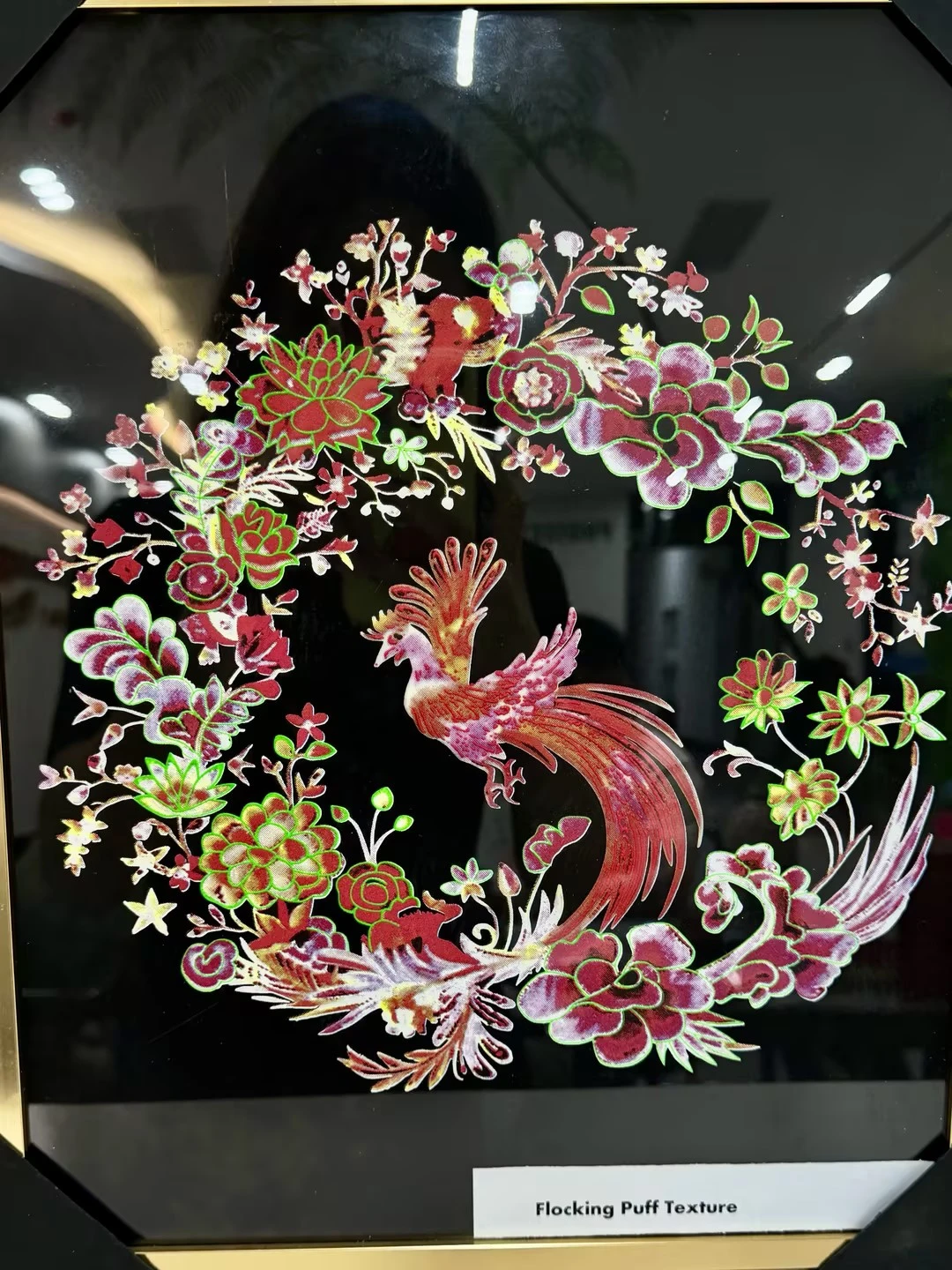
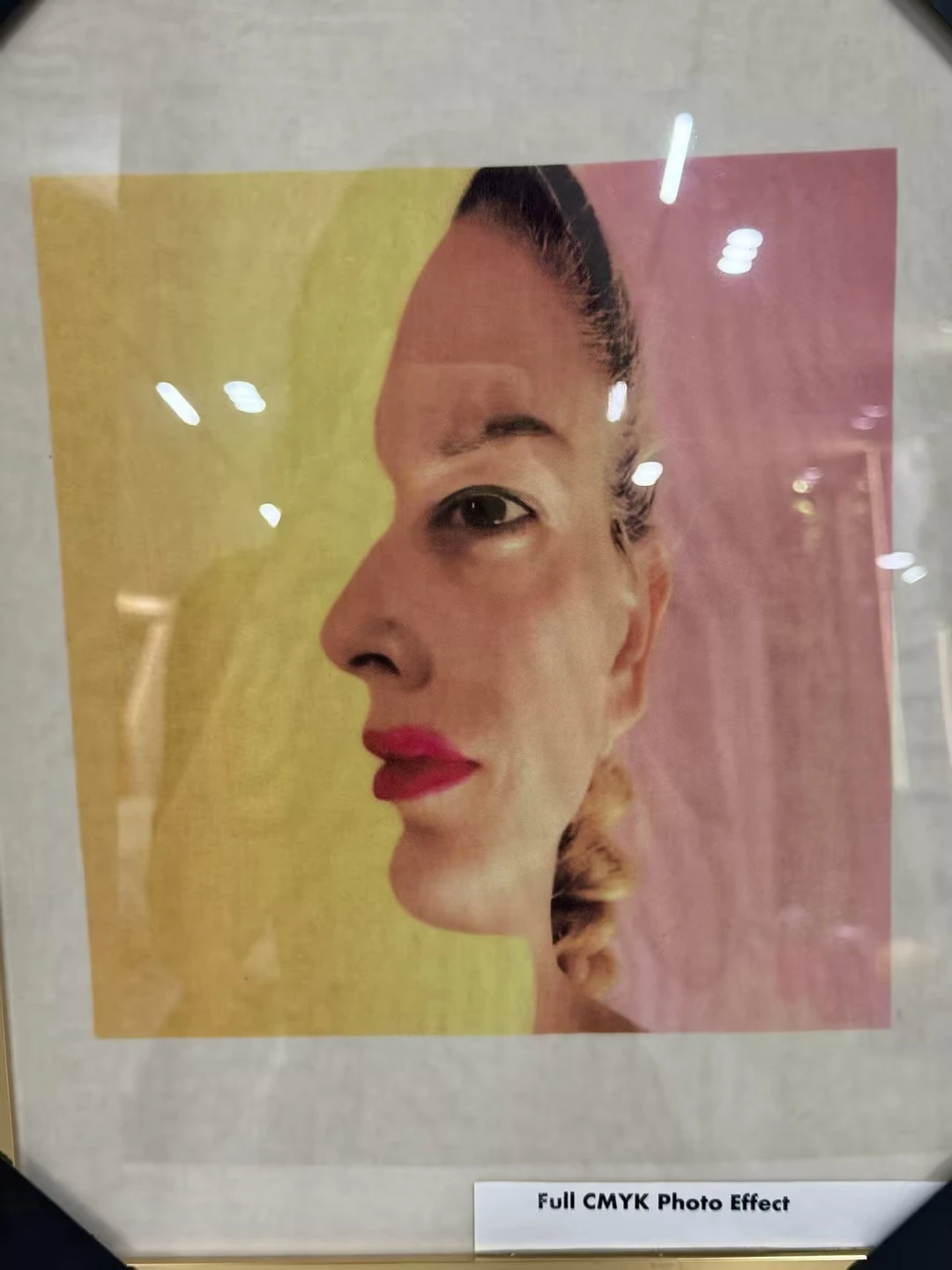
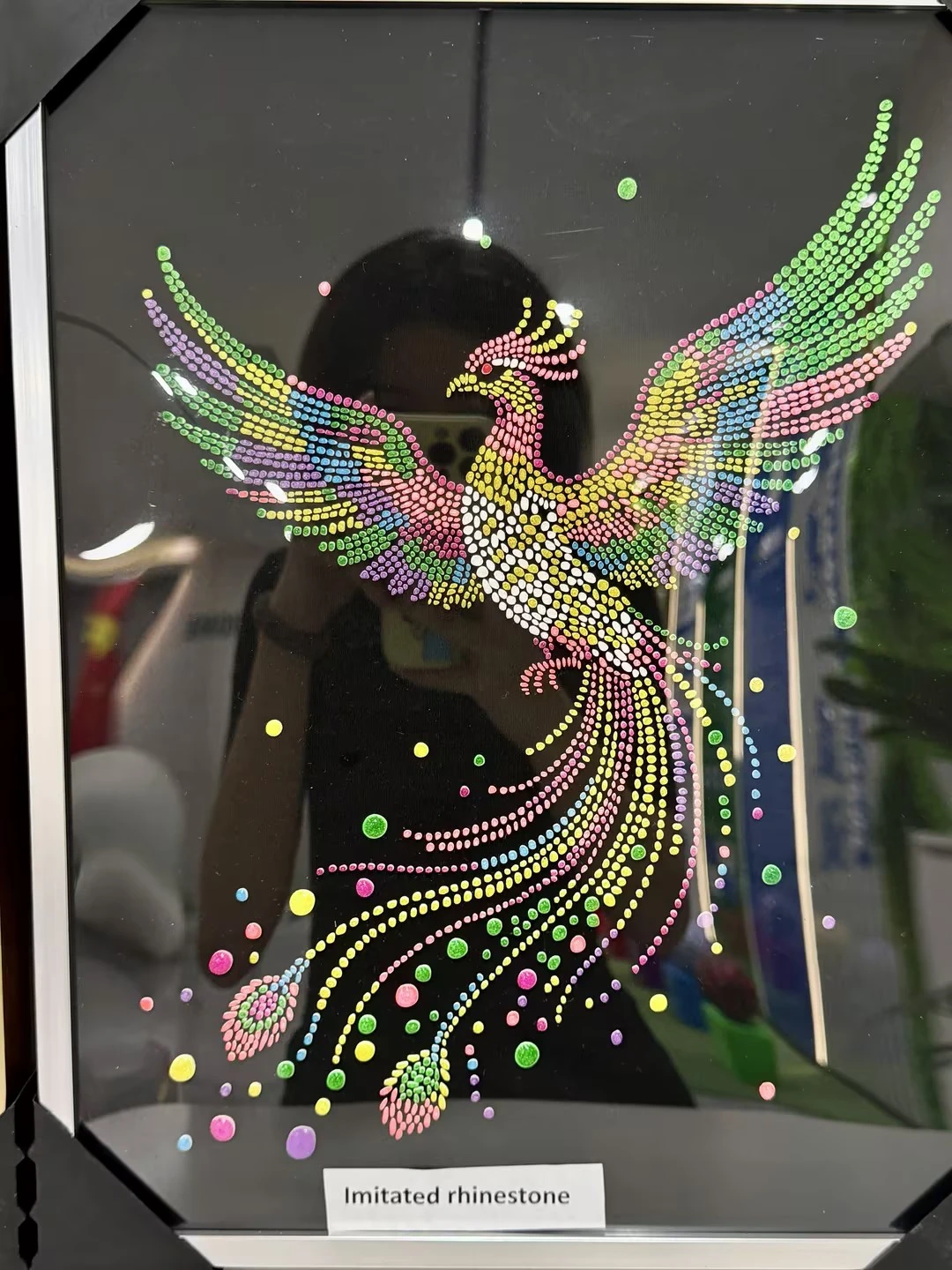
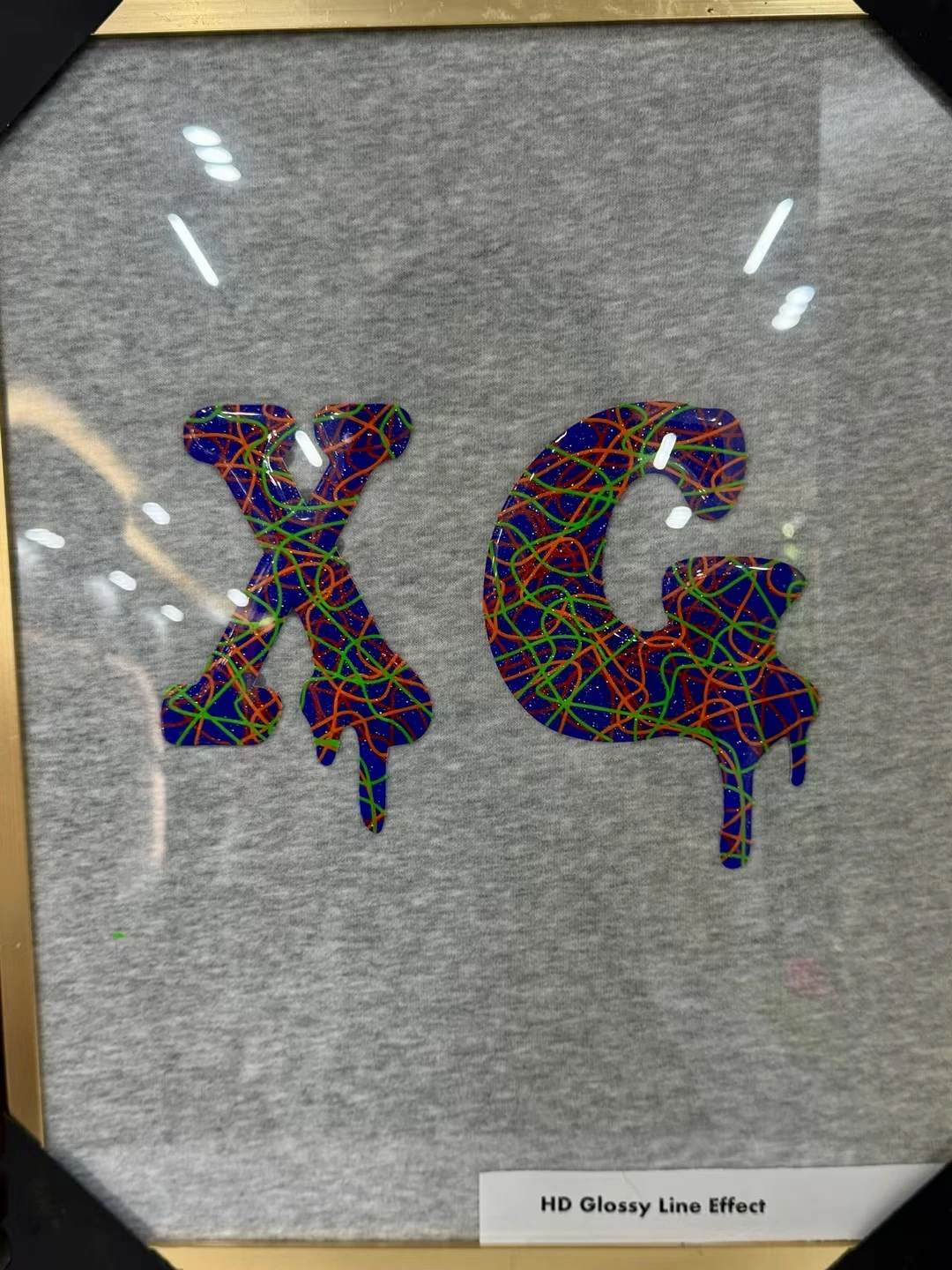
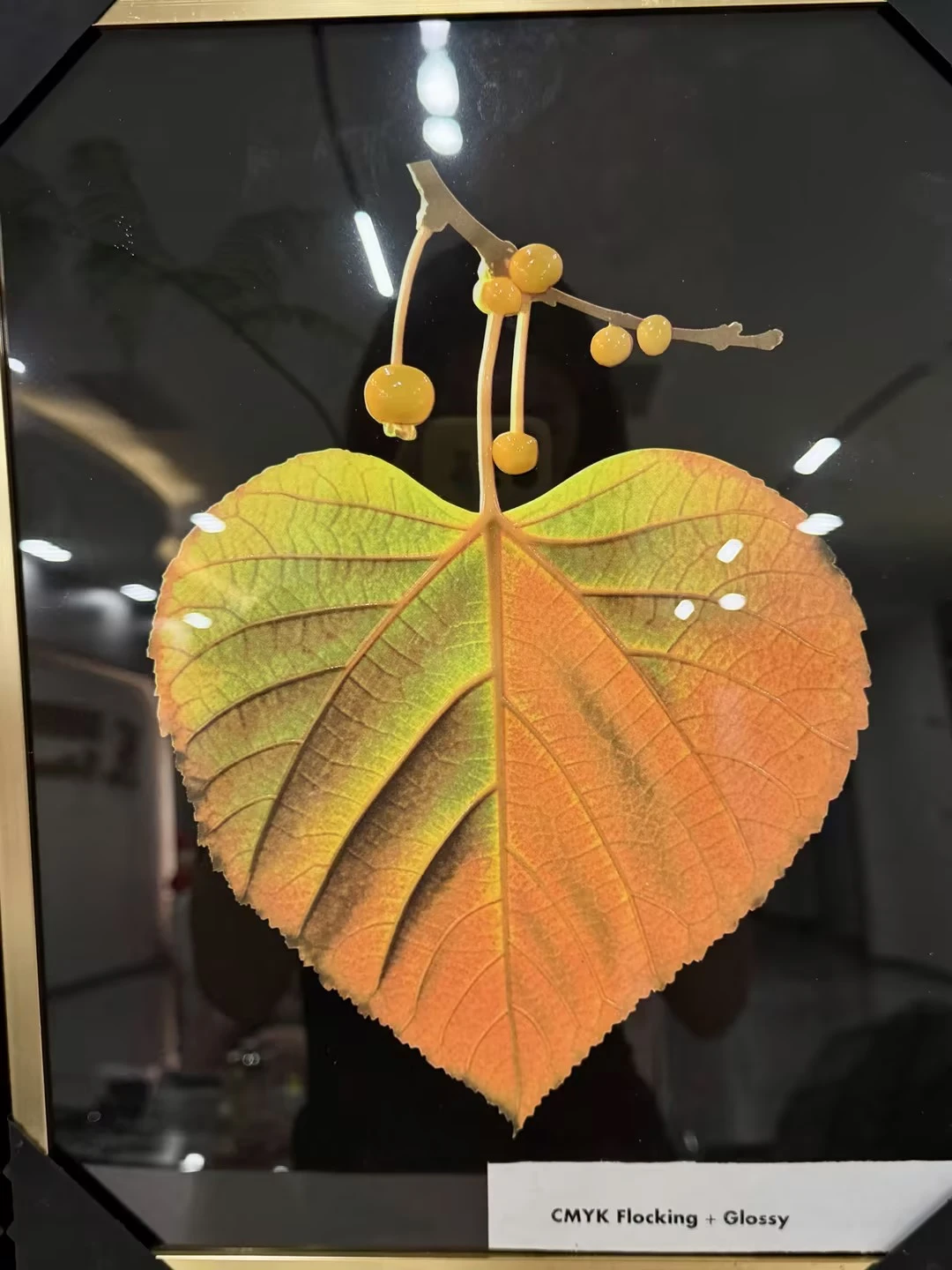
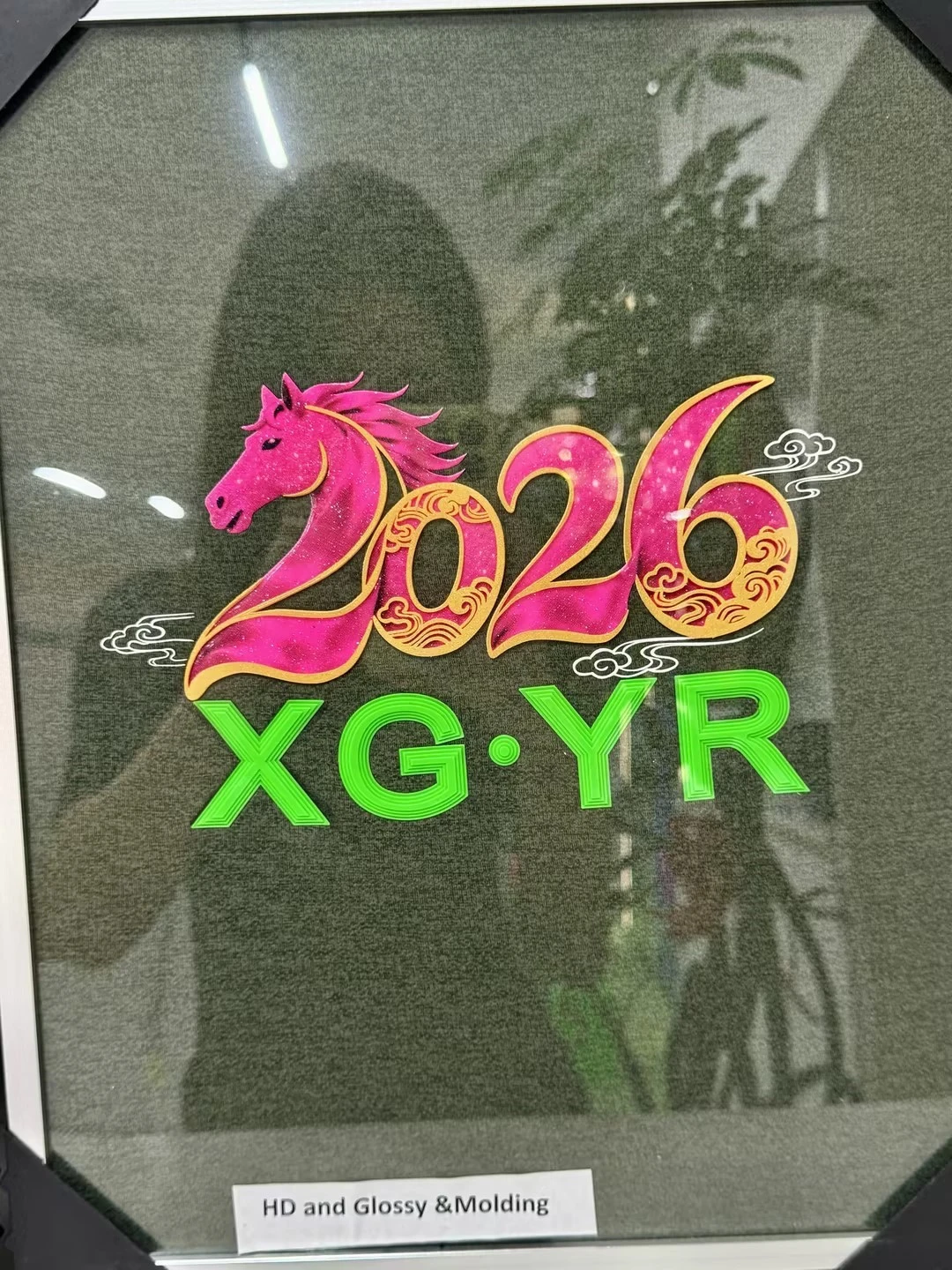
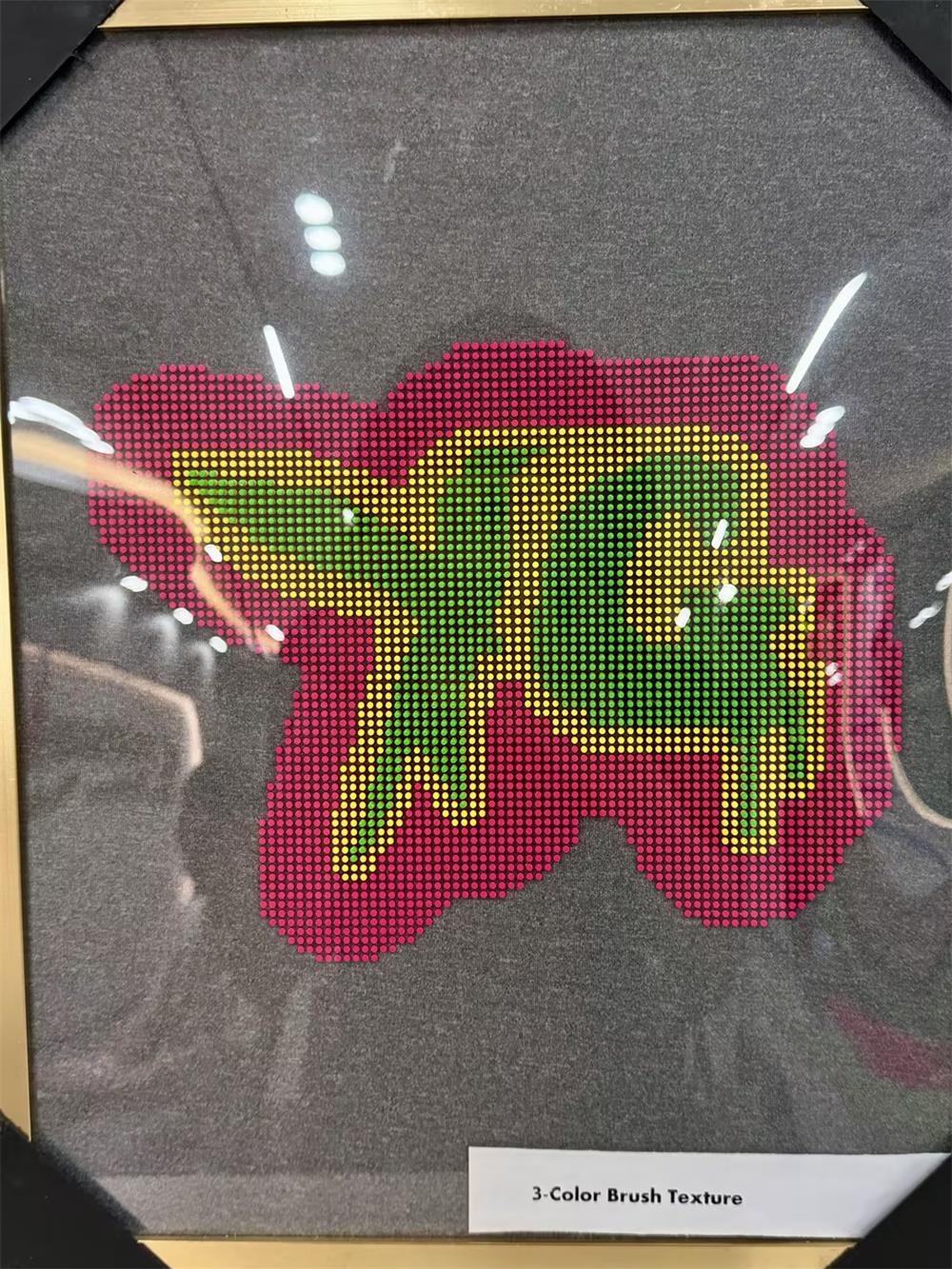 3.Color Brush Texture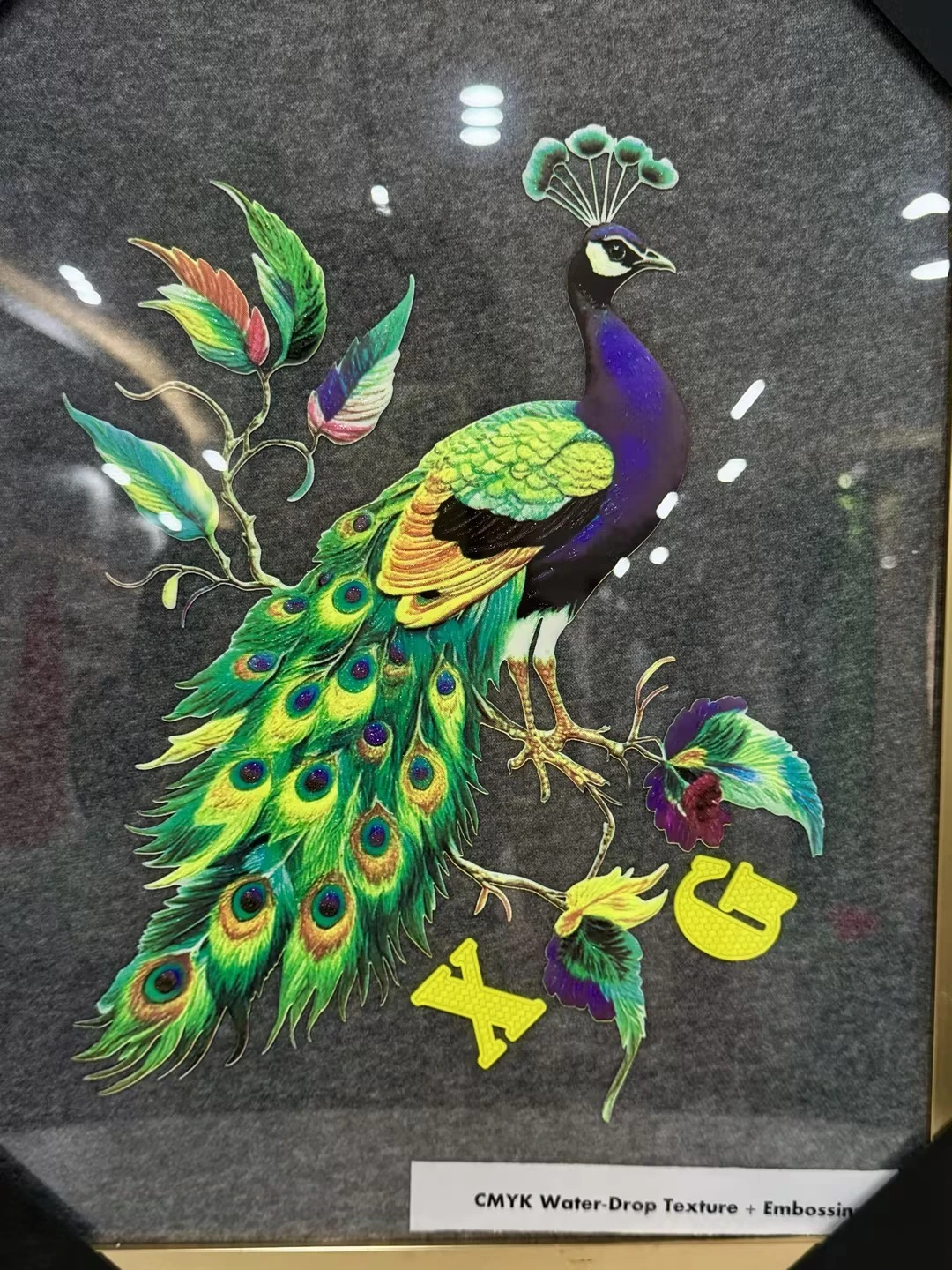
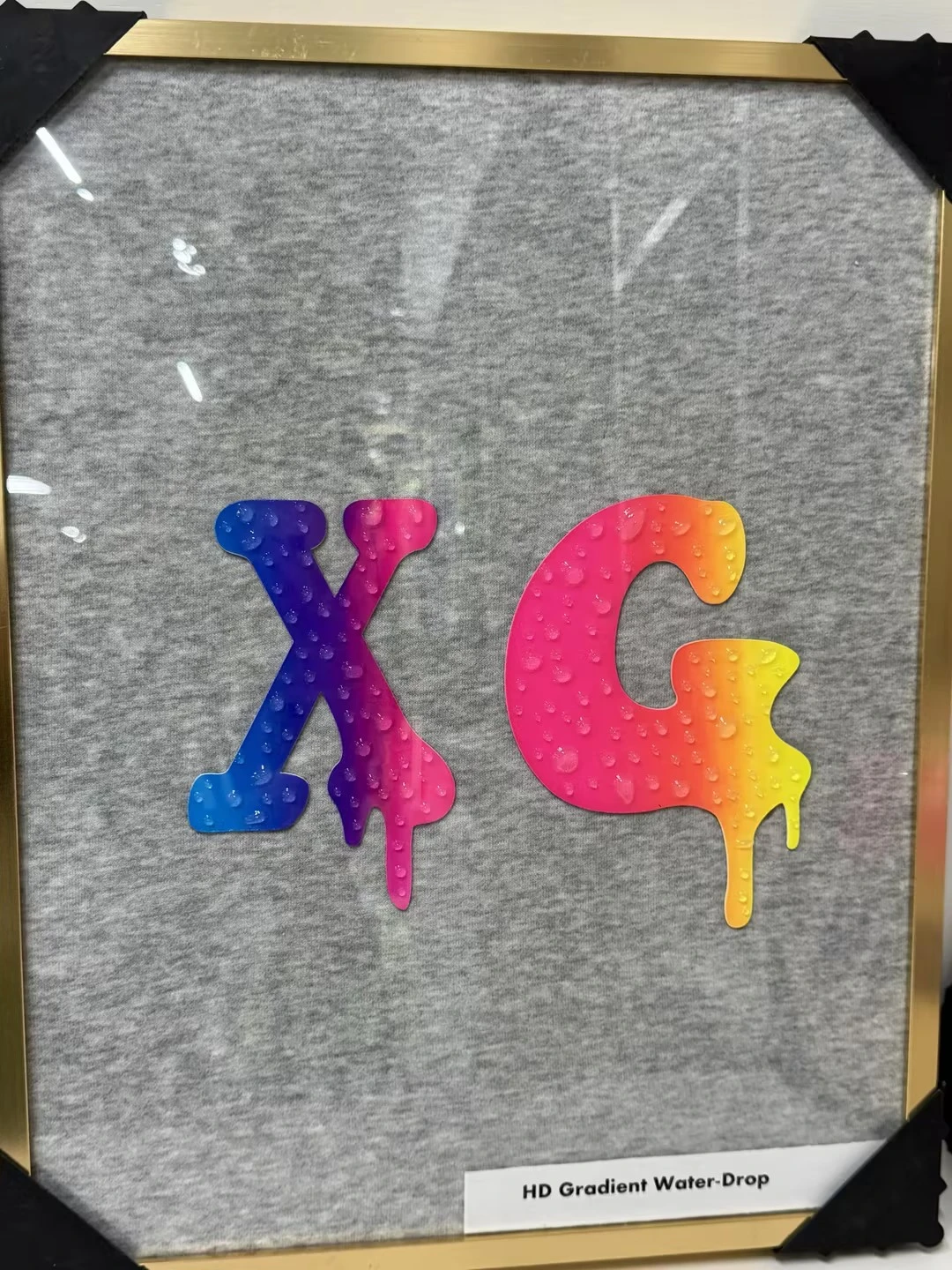
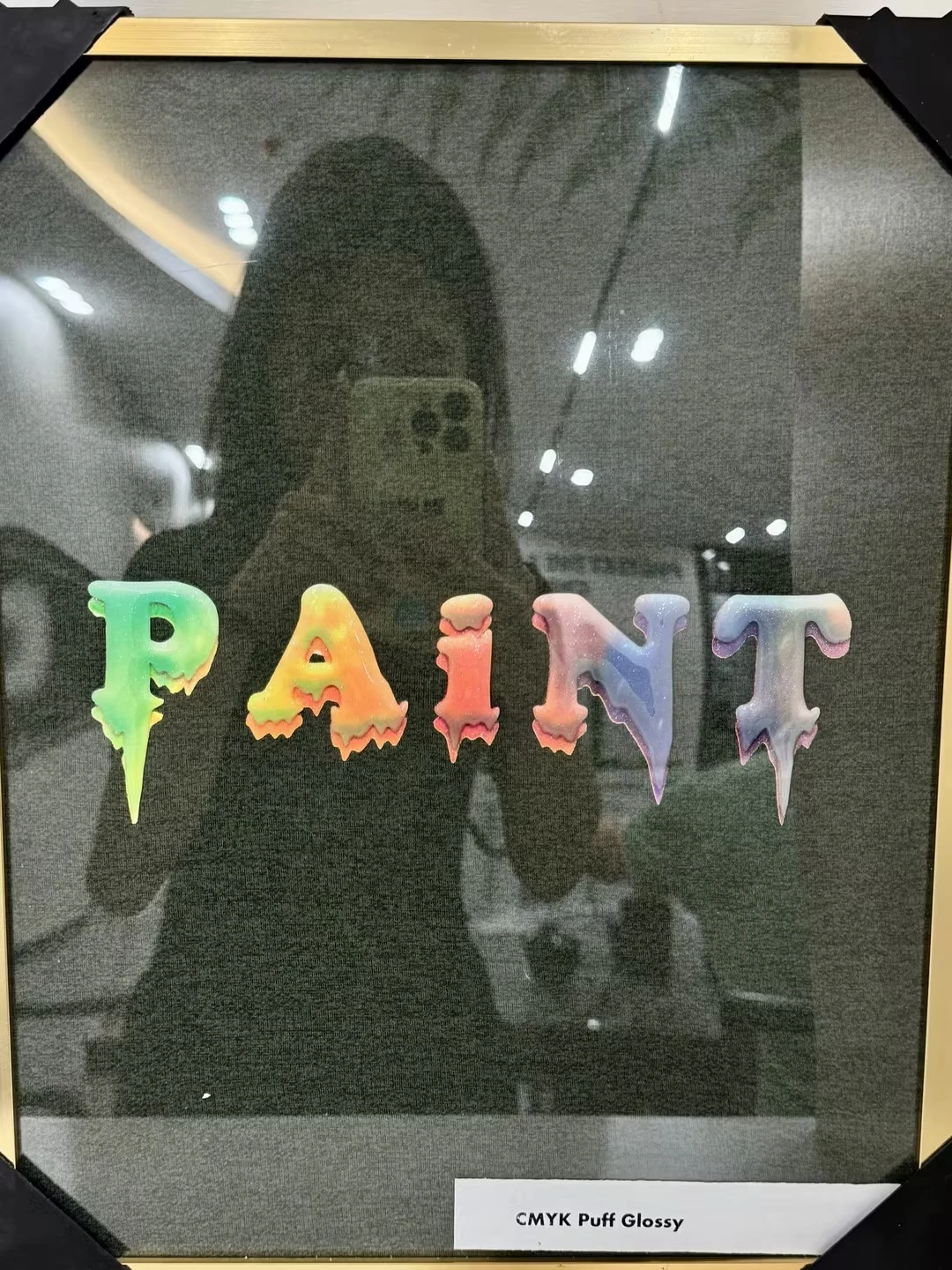
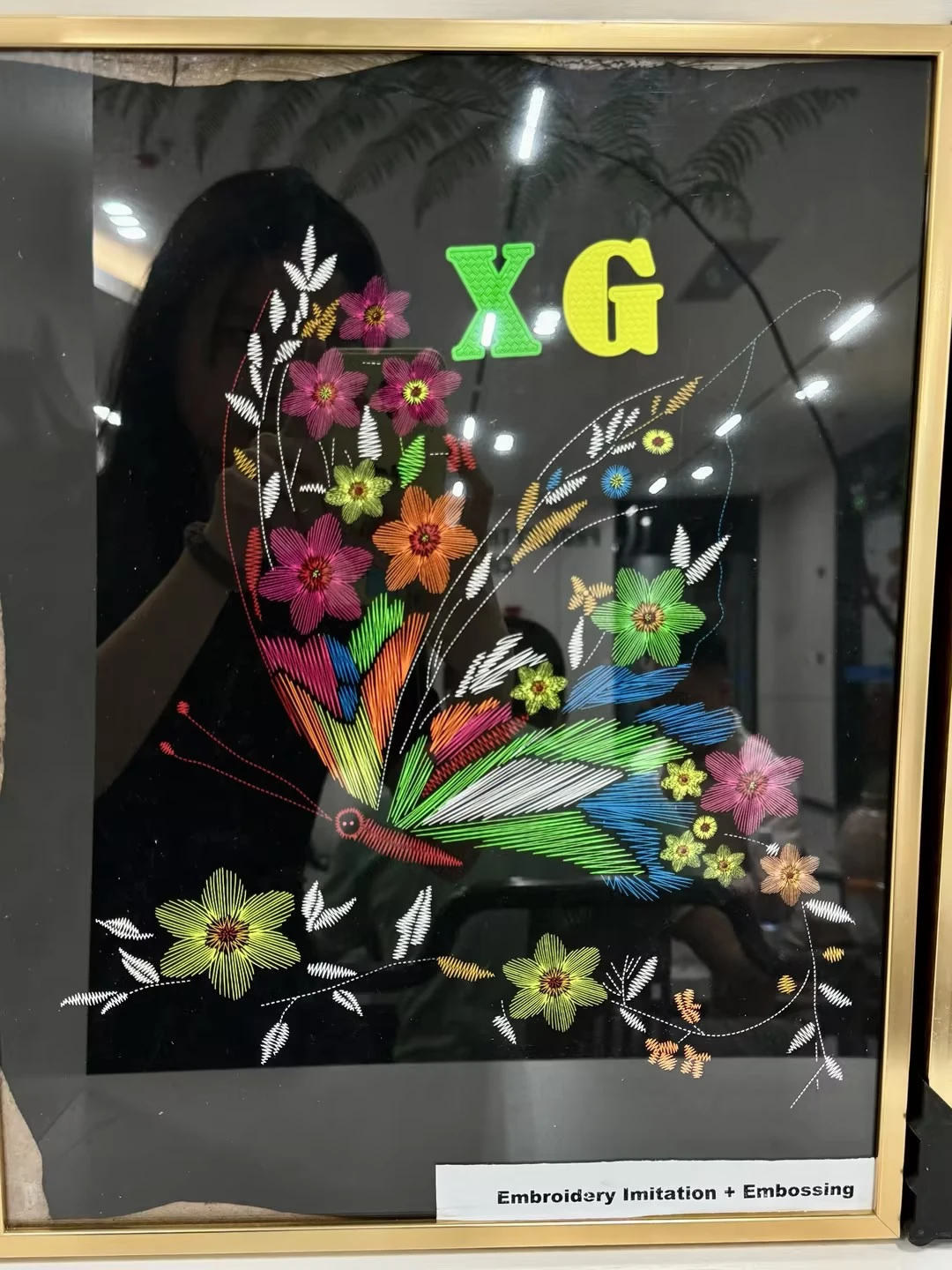
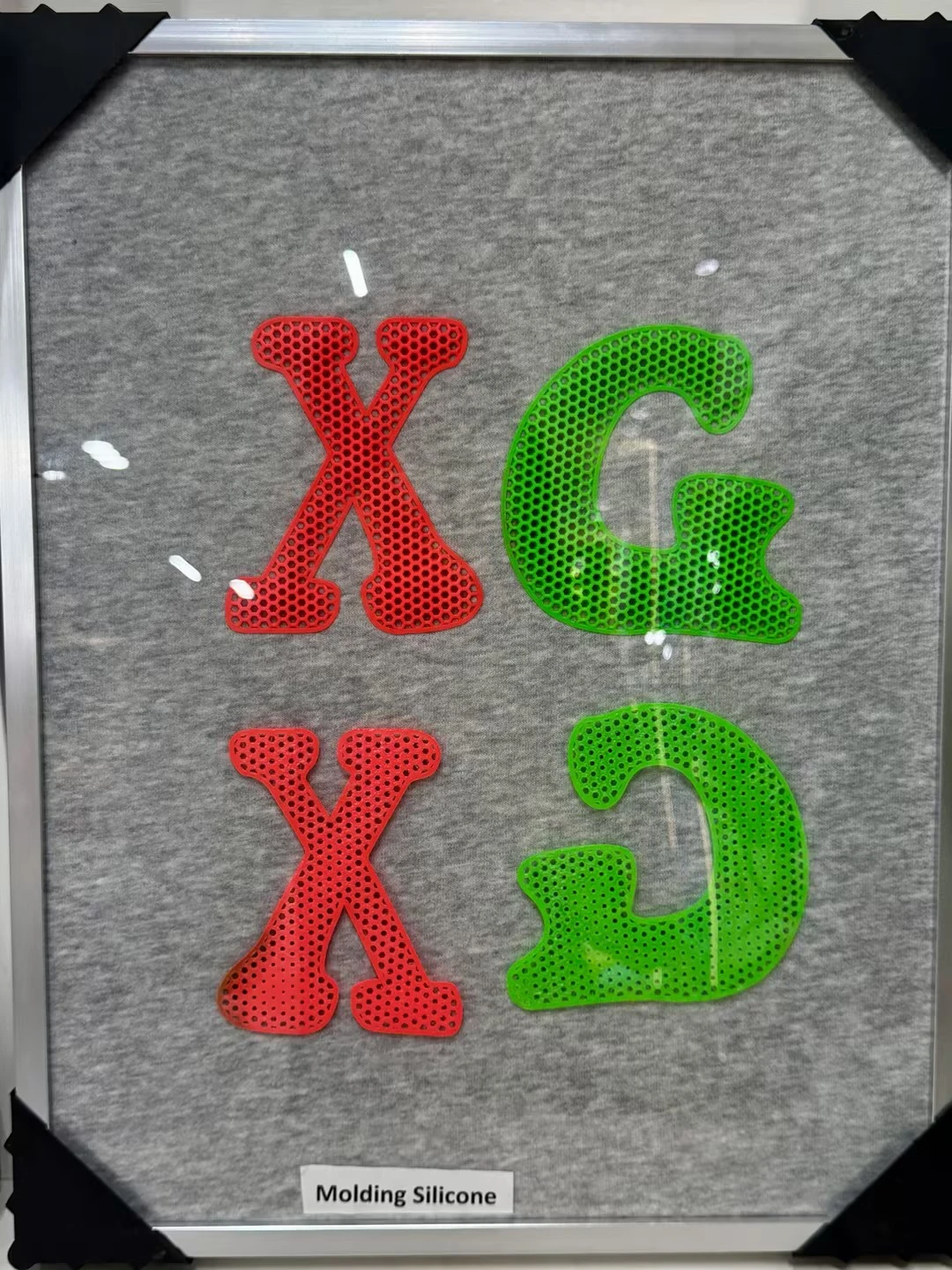
Custom Clothing Printing Solutions for Your Brand
Looking for the right printing method for your custom apparel project? As an experienced OEM clothing manufacturer, we provide professional printing solutions including screen printing, DTG, DTF transfer printing, silicone printing, and other customized printing techniques.
Whether you need small-batch samples or large-scale production, our team can recommend the most suitable printing method based on your fabric, design, quantity, and budget requirements.
Get a free printing consultation and quote today. Send us your artwork, garment requirements, and order quantity - our specialists will help you choose the best printing solution for your brand.
1. Screen Printing
Screen printing is one of the most popular and cost-effective garment printing methods for bulk production. It creates a bold and durable print effect with excellent color coverage and sharp details. The ink is applied onto the fabric surface through a mesh screen, forming a slightly raised texture.
The final hand feel depends on the ink type. Plastisol ink creates a smooth coating effect with stronger color visibility, while water-based ink provides a softer and more natural touch. Screen printing is commonly used for cotton T-shirts, hoodies, uniforms, promotional apparel, and branded clothing collections.
Printing Process
Artwork preparation → Screen plate making → Ink preparation → Screen printing → Heat curing → Quality inspection
Suitable Materials & Applications
| Suitable Materials | Printing Effect | Recommended Products |
|---|---|---|
| 100% Cotton | Excellent adhesion and bright colors | T-shirts, hoodies |
| Cotton Blends | Stable printing performance | Casual wear, uniforms |
| Polyester | Requires suitable ink selection | Sportswear |
| Canvas Fabric | Strong and durable print | Tote bags, promotional products |
Production Quantity
| Order Quantity | Recommendation |
|---|---|
| Small Batch (1-100 pcs) | Not recommended due to setup cost |
| Medium Batch (100-1000 pcs) | Suitable |
| Large Batch (1000+ pcs) | Best choice |
2. Water-Based Printing
Water-based printing creates a soft and natural print effect by allowing the ink to absorb into the fabric fibers. Unlike traditional surface printing, it does not create a heavy coating, allowing the garment to maintain its original softness and breathability.
The printed area feels smooth and lightweight, making it a preferred choice for premium apparel brands, organic cotton clothing, and high-end streetwear. It provides a more refined appearance with a fabric-like texture.
Printing Process
Artwork preparation → Ink mixing → Printing → Drying → Heat curing → Inspection
Suitable Materials & Applications
| Suitable Materials | Printing Effect | Recommended Products |
|---|---|---|
| Cotton | Soft and breathable finish | Premium T-shirts |
| Organic Cotton | Natural texture | Sustainable apparel |
| Cotton Jersey | Comfortable hand feel | Fashion clothing |
| Lightweight Fabric | Smooth print surface | Summer apparel |
Production Quantity
| Order Quantity | Recommendation |
|---|---|
| Small Batch | Possible but higher cost |
| Medium Batch | Recommended |
| Large Batch |
Suitable |
3. Plastisol Printing
Plastisol printing provides strong color opacity, excellent durability, and a vibrant appearance. The ink remains on the surface of the fabric after curing, creating a smooth and slightly thicker texture.
Because of its excellent coverage, it is especially suitable for dark-colored garments where bright and clear graphics are required.
Suitable Materials & Applications
| Suitable Materials | Recommended Products |
|---|---|
| Cotton | T-shirts, hoodies |
| Cotton Polyester Blend | Uniforms, sportswear |
| Polyester | Team clothing |
| Denim | Fashion apparel |
Production Quantity
Best for:
Medium orders
Large-volume production
Brand clothing projects
4. Discharge Printing
Discharge printing creates a premium soft-touch effect by removing the original fabric dye and replacing it with the printing color. The design becomes integrated into the fabric instead of sitting on the surface.
This creates an extremely soft hand feel and is widely used for premium cotton garments, vintage clothing, and streetwear.
Suitable Materials
| Suitable Materials | Applications |
|---|---|
| 100% Cotton | Premium T-shirts |
| Dark Cotton Fabric | Vintage apparel |
| Cotton Jersey | Streetwear |
Production Quantity
Suitable for:
Medium batch
Large batch
5. DTG Printing
DTG printing uses digital inkjet technology to print designs directly onto garments. It delivers excellent image quality, detailed patterns, and smooth color gradients.
Because the ink penetrates into the fabric fibers, the print feels soft and comfortable. It is ideal for custom apparel, personalized clothing, and small orders.
Suitable Materials & Applications
| Suitable Materials | Applications |
|---|---|
| Cotton | Custom T-shirts |
| Organic Cotton | Eco-friendly clothing |
| Cotton Blends | Fashion apparel |
Production Quantity
Best for:
1-100 pcs
Samples
Custom orders
6. DTF Transfer Printing
DTF printing is a flexible printing method suitable for different fabric types. The design is printed onto a transfer film and then applied to garments through heat and pressure.
It creates bright colors, sharp details, and strong durability. The surface has a smooth texture with slight flexibility.
Suitable Materials
| Suitable Materials | Applications |
|---|---|
| Cotton | T-shirts |
| Polyester | Sportswear |
| Nylon | Outdoor apparel |
| Blended Fabric | Custom clothing |
Production Quantity
Best for:
Small batch orders
Medium production
Online clothing brands
7. Sublimation Printing
Sublimation printing uses heat to transfer ink directly into polyester fibers. The design becomes part of the fabric, creating a completely smooth surface without any raised texture.
It provides excellent breathability and color durability, making it ideal for sportswear.
Suitable Materials
| Suitable Materials | Applications |
|---|---|
| Polyester | Sports jerseys |
| Microfiber | Activewear |
| Performance Fabric | Team uniforms |
Production Quantity
Best for:
Medium batch
Large batch
8. Silicone Printing
Silicone printing creates a premium 3D logo effect with a soft rubber-like texture. It provides excellent flexibility, durability, and resistance to abrasion.
It is commonly used for sports brands, outdoor clothing, and premium apparel.
Suitable Materials
| Suitable Materials | Applications |
|---|---|
| Polyester | Sportswear |
| Nylon | Outdoor clothing |
| Stretch Fabric | Fitness apparel |
Production Quantity
Best for:
Medium batch
Large batch
9. Puff Printing
Puff printing creates a raised 3D effect by using special foam ink that expands during heating. It provides a unique visual appearance and soft embossed texture.
It is popular for streetwear brands, hoodies, and fashion collections.
Suitable Materials
| Suitable Materials | Applications |
|---|---|
| Cotton | Hoodies |
| Cotton Blend | Streetwear |
| Fleece | Sweatshirts |
Production Quantity
Best for:
Limited collections
Medium and large production

Clothing Printing Methods Comparison
| Printing Method | Effect | Hand Feel | Best Fabric | Best Quantity |
|---|---|---|---|---|
| Screen Printing | Bright & durable | Medium | Cotton | Large batch |
| Water-Based Printing | Natural appearance | Very soft | Cotton | Medium/Large |
| Plastisol Printing | Strong color coverage | Slight coating | Cotton/Polyester | Large batch |
| Discharge Printing | Fabric-like effect | Very soft | Cotton | Medium/Large |
| DTG | High-resolution image | Soft | Cotton | Small batch |
| DTF | Detailed & flexible | Slight film feel | Most fabrics | Small/Medium |
| Sublimation | Full-color seamless | No texture | Polyester | Medium/Large |
| Silicone Printing | 3D rubber effect | Flexible | Sports fabrics | Medium/Large |
| Puff Printing | Raised effect | Embossed | Cotton | Medium/Large |
How to Choose the Right Clothing Printing Method?
Choosing the right printing method depends on:
- Fabric type
- Design complexity
- Order quantity
- Budget
- Desired hand feel
- Brand positioning
For small custom orders, DTG and DTF printing are usually the best options.
For large-scale production, screen printing and plastisol printing provide better cost efficiency.
For premium brands, water-based, discharge, and silicone printing create higher-end product experiences.
FAQ About Clothing Printing
1. What is the best printing method for T-shirts?
Screen printing is best for large quantities, while DTG and DTF are better for small custom orders. Premium brands often choose water-based printing for a softer feel.
2. Which clothing printing method lasts the longest?
Screen printing, silicone printing, and sublimation printing usually provide excellent durability when properly produced.
3. Which printing method feels the softest?
Water-based printing, discharge printing, and DTG printing provide the softest hand feel because the ink integrates with the fabric.
4. What printing method is best for small quantities?
DTG and DTF printing are ideal because they do not require expensive plate setup and support low MOQ production.
5. What printing method is best for bulk clothing orders?
Screen printing and plastisol printing are commonly used for large-volume apparel production because they offer high efficiency and lower unit cost.
6. Can you print on polyester and nylon clothing?
Yes. Sublimation works best for polyester, while DTF and silicone printing are suitable for nylon and other synthetic fabrics.