Tacky Silicone Ink For Screen Printing
Product Model: XG-866A-NS
Product Category: Tacky Silicone Ink
Printing Method: Compatible silicone printing systems, including screen printing where validated
Primary Function: Controlled surface tackiness
Application Stage: Final functional silicone printing layer
Target Customers: Textile printers, glove manufacturers, apparel manufacturers, and functional textile developers
Looking for a tacky silicone printing solution? Contact XG Silicone to discuss XG-866A-NS samples, material compatibility, and your intended application.
What Is XG-866A-NS Tacky Silicone Ink?
XG-866A-NS is a functional silicone ink intended to produce a tacky contact surface after the specified curing process.
In textile printing, a tacky finish can be useful when a product requires controlled surface contact rather than only decorative printing or conventional textured grip patterns.
The distinction between tacky silicone and ordinary silicone ink is important.
Conventional silicone inks may be formulated to create smooth, matte, glossy, raised, or textured surfaces. Tacky silicone is specifically intended to deliver a noticeable sticky surface characteristic.
For compatible multi-layer silicone printing, XG-866A-NS is used at the final printing stage so the tacky finish remains exposed on the outer surface.
This functional surface can then be evaluated for different end uses, from grip-enhancing glove patterns to garment-positioning applications.
For a more detailed explanation of the material, read our What Is Tacky Silicone Ink? technical article.
Key Features of XG-866A-NS
1. Functional Surface Tackiness
XG-866A-NS is designed to produce an intentionally tacky surface, rather than the unwanted stickiness sometimes associated with incomplete silicone curing.
The target level of tackiness should be evaluated after the recommended curing process.
2. Final-Layer Silicone Printing
The material is intended to be used as the last functional printing layer in a compatible silicone printing structure.
This allows the tacky silicone to form the exposed contact surface of the finished print.
3. Flexible Pattern Design
Depending on the printing system and substrate, tacky silicone can be evaluated in dots, lines, localized contact areas, or other patterns.
Print geometry and coverage should be adjusted to the final product's requirements.
4. Potential for Functional Textile Applications
The material may be evaluated for applications where a tacky contact finish could help improve grip or garment positioning.
Its suitability for contact with skin, fabrics, equipment, or other surfaces must be tested separately.
5. Customizable Application Development
Manufacturers can investigate different print patterns, coverage areas, and compatible underlying silicone layers to meet their design requirements.
The final performance depends on the complete printed construction, not the top-layer ink alone.
Learn why surface placement matters in our technical article, Why Tacky Silicone Is Applied as the Final Printing Layer.
How Is XG-866A-NS Applied?
XG-866A-NS is intended for use at the final stage of a compatible multi-layer silicone printing process.
A typical development process may include:
Step 1 - Substrate Preparation
Prepare the glove fabric, elastic textile, or other compatible substrate. Check surface cleanliness and material suitability before printing.
Step 2 - Base Silicone Printing
Apply the required adhesion or base layers using a compatible silicone ink system.
Step 3 - Pattern or Intermediate Layer Printing
Build the required design, color, or silicone pattern according to the printing specification.
Step 4 - Final Tacky Silicone Printing
Apply XG-866A-NS as the final functional silicone layer over the prepared, compatible printed structure.
This is the key stage at which the intended tacky contact surface is introduced.
Step 5 - Curing and Performance Evaluation
Complete the curing process according to the validated technical instructions.
Evaluate surface tackiness, layer adhesion, flexibility, and any application-specific requirements after curing.
The exact mixing ratio, intermediate curing conditions, final curing temperature, and processing time should be confirmed using the current XG-866A-NS technical documentation.
For a more detailed process explanation, explore our How to Print Tacky Silicone on Gloves guide.
Potential Applications of XG-866A-NS Tacky Silicone Ink
XG-866A-NS can be considered for several categories of functional textile products. Each application requires testing against its specific substrate, use conditions, and performance requirements.
1. Lingerie and Shapewear
Potential Application: Tacky Silicone Printing for Garment Positioning
Lingerie and shapewear often require close contact with the body while maintaining a stable garment position during movement.
Tacky silicone printing may be evaluated for localized contact areas where controlled surface grip could help reduce garment shifting.
Potential development areas include:
Strapless bras: Inner bands or selected contact areas intended to help maintain garment position.
Shapewear edges: Localized printing around garment openings or hems.
Thigh bands: Silicone patterns intended to help reduce upward or downward movement.
Stocking tops and garter bands: Selected elastic sections where garment positioning is important.
XG-866A-NS may be investigated as a final tacky silicone layer for compatible textile printing structures.
However, direct skin-contact applications require particular attention to skin compatibility, irritation, sweat exposure, comfort, and applicable chemical safety requirements.
A tacky surface should not be assumed to be skin-safe solely because it is made from silicone.
Recommended Development Checks: Skin-contact suitability, tackiness after stretching, repeated wear, washing resistance, and residue or transfer to contacted surfaces.
Explore our Tacky Silicone Printing for Lingerie and Shapewear application guide.
2. Cycling Apparel
Potential Application: Tacky Silicone Printing for Cycling Apparel Grip Areas
Cycling garments are designed to stay in position during repetitive body movements.
Leg openings, sleeve cuffs, and other elastic areas may incorporate functional grip structures to help limit unwanted fabric movement.
Potential printing areas include:
Cycling shorts leg openings
Inner edges of cycling shorts
Sleeve cuffs
Elastic fabric bands
XG-866A-NS may be evaluated as a tacky silicone finishing layer for compatible garment grip patterns.
The material's flexibility and surface behavior should be assessed under stretching, perspiration, repeated movement, and washing conditions.
For garments that contact the skin, comfort and skin-contact suitability are essential development criteria.
Recommended Development Checks: Stretch performance, tackiness retention, washing resistance, skin comfort, and garment movement during exercise.
Discover more in Tacky Silicone Printing Applications for Cycling Apparel.
3. Sports Supports and Compression Wear
Potential Application: Localized Tacky Silicone Grip Printing
Sports supports and compression garments may move during exercise, particularly when subjected to repetitive bending, stretching, or perspiration.
A suitable tacky silicone surface could be evaluated for selected contact areas to help maintain positioning.
Possible applications include:
Knee supports
Leg supports
Elbow supports
Compression sleeves
For these products, localized silicone printing is worth comparing against conventional silicone grip bands and other garment-retention structures.
XG-866A-NS may be assessed as the final functional layer where a tacky finish is desirable.
The design must also consider pressure distribution, skin contact, movement, and potential irritation.
The material should not be described as providing a medical or therapeutic benefit without appropriate supporting evidence.
Recommended Development Checks: Repeated flexing, sweat exposure, skin-contact suitability, grip retention, washing performance, and movement during activity.
Read our Tacky Silicone Printing for Sports Supports guide.
4. Elastic Webbing and Bands
Potential Application: Localized Tacky Silicone Coatings and Printed Stripes
Elastic webbing is used in a wide variety of garments and textile accessories.
Depending on the intended function, a tacky silicone surface may be evaluated for localized grip, contact control, or positioning.
Potential applications include:
Lingerie straps
Sportswear waistbands
Backpack shoulder straps
Elastic fastening bands
For these applications, manufacturers may explore printed stripes, localized patterns, or other controlled-coverage silicone designs.
XG-866A-NS can be investigated as a final printed layer within a compatible silicone printing system.
The required tackiness may differ depending on whether the elastic band contacts skin, another textile surface, or equipment.
Recommended Development Checks: Elastic recovery, adhesion after repeated stretching, surface tackiness, contact transfer, abrasion, and washing resistance where applicable.
Learn more in Tacky Silicone Printing on Elastic Webbing and Bands.
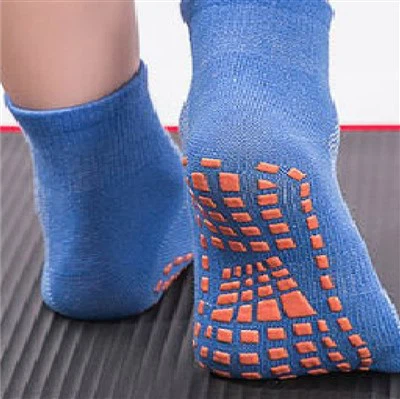
5. Yoga and Pilates Socks
Potential Application: Tacky Silicone Printing for Selected Sock Grip Patterns
Yoga and Pilates socks often use silicone grip patterns to increase friction between the foot covering and the floor or exercise surface.
XG-866A-NS may be considered for selected applications where intentional surface tackiness is desired.
Possible printing areas include:
Sock soles
Toe contact areas
Localized grip patterns
However, a tacky silicone surface is not automatically the best solution for every yoga or Pilates sock.
Many products primarily require high-friction, non-tacky grip patterns rather than a noticeably sticky surface.
The selection between tacky silicone and conventional grip-printing silicone should depend on flooring compatibility, cleaning requirements, dust pickup, user comfort, and performance testing.
Recommended Development Checks: Grip performance on relevant flooring, lint and dust pickup, abrasion, washing, surface residue, and long-term tackiness.
Explore the material selection considerations in Tacky Silicone vs. Regular Grip Silicone for Yoga Socks.
6. Horse Riding Gloves
Potential Application: Tacky Silicone Printing for Equestrian Glove Grip Areas
Horse riding gloves require controlled contact with reins while allowing the rider to adjust hand position and maintain comfort.
A tacky silicone printing system may be considered for selected palm and finger areas.
Potential application areas include:
Palm contact surfaces
Finger grip areas
Rein contact zones
XG-866A-NS may be evaluated as a final tacky silicone printing layer on compatible glove constructions.
For equestrian applications, it is particularly important to assess not only grip enhancement but also controlled release, rein movement, moisture exposure, abrasion, and cleaning requirements.
Excessive tackiness may be unsuitable in situations where smooth hand adjustment or prompt release is necessary.
Recommended Development Checks: Grip and release behavior, durability against rein materials, flexibility, abrasion resistance, and performance under wet and dry conditions.
Read our Tacky Silicone Printing for Horse Riding Gloves application guide.
XG-866A-NS vs. Conventional Silicone Printing Ink
| Comparison | XG-866A-NS Tacky Silicone | Conventional Silicone Printing Ink |
|---|---|---|
| Primary design objective | Intentional surface tackiness | Decoration, texture, raised patterns, or other functional finishes |
| Surface characteristic | Tacky finish after specified curing | May be smooth, matte, glossy, or textured |
| Printing role | Final functional layer in a compatible system | Base, intermediate, or finishing layers |
| Potential applications | Garment-positioning surfaces and specialized grip areas | General textile and glove printing |
| Key evaluation | Tackiness, compatibility, durability, and contact suitability | Adhesion, appearance, texture, and application-specific performance |
For a detailed material comparison, read Tacky Silicone vs. Regular Silicone Ink for Gloves.
Technical Information
| Item | Specification |
|---|---|
| Product Name | Tacky Silicone Ink |
| Model | XG-866A-NS |
| Main Function | Intentional surface tackiness |
| Intended Printing Stage | Final functional printing layer |
| Printing Method | To be confirmed for each compatible printing system |
| Appearance / Color | Refer to the product technical data sheet |
| Mixing Ratio | Refer to the current technical data sheet |
| Curing Conditions | Refer to the current technical data sheet |
| Recommended Substrates | Subject to compatibility testing |
| Packaging | Confirm with supplier |
| Shelf Life / Storage | Refer to the current technical data sheet |
| Compliance / Skin Contact | Application-specific verification required |
Frequently Asked Questions
What is XG-866A-NS used for?
XG-866A-NS is a tacky silicone ink intended for functional silicone printing applications requiring an intentionally sticky surface finish. It may be evaluated for gloves, apparel, elastic textiles, and other suitable substrates.
Is XG-866A-NS applied during the last printing step?
Yes. In the compatible multi-layer printing process described here, XG-866A-NS is intended to be used as the final functional printing layer so that the tacky material forms the exposed contact surface.
Is tacky silicone the same as ordinary anti-slip silicone?
No. Conventional anti-slip silicone may provide grip primarily through friction or surface texture, whereas tacky silicone is designed to provide deliberate surface tackiness.
Hot Tags: tacky silicone ink for screen printing, China, suppliers, manufacturers, factory, wholesale, price, pricelist, free sample