What Is Anti-Slip Silicone Ink?
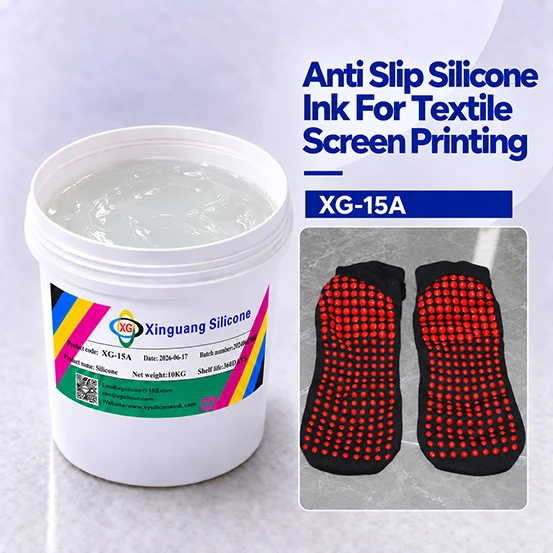
Anti Slip Silicone Ink For Textile Screen Printing is a silicone-based printing material used to create functional grip areas on selected textile surfaces. Rather than building a decorative puff effect, the purpose is to place controlled silicone dots, lines or shaped patterns exactly where a textile product needs additional surface traction.
XG-15A is the anti-slip silicone model covered on this page. The supplied application notes describe transparent grip printing and optional colored grip patterns using the listed color pastes. The performance values from the supplied XG-15A test table appear below.
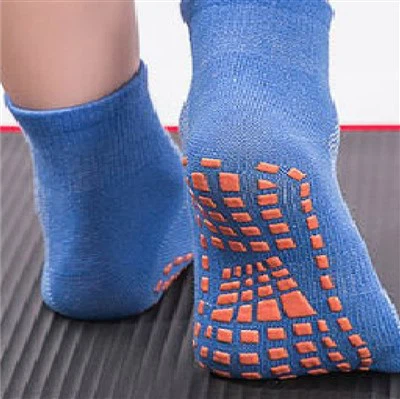
Common applications include grip dots on sock soles, printed grip sections on gloves, silicone stripes on elastic webbing used in lingerie or backpack components, and carefully positioned anti-slip details on yoga pants and other activewear. These are functional placement applications, not general garment logo printing.
XG-15A Model and Mixing Ratio
XG-15A: Mixing Ratio 100:2
The supplied XG-15A test table specifies a mixing ratio of 100:2. It does not identify both components of that ratio. Confirm the components and complete mixing instructions before production.
Transparent or Colored Anti-Slip Silicone Patterns
Transparent anti-slip dots and stripes can be printed where an unobtrusive appearance is preferred. The following silicone color pastes were named in the supplied product notes as color options for printed patterns:
- XG-102 - white silicone pigment
- XG-501 - black silicone pigment
- XG-302 - red silicone pigment
- XG-203 - yellow silicone pigment
- XG-408 - blue silicone pigment
These color options can be used to design visible grip dots, stripes and patterned areas on textile surfaces.
Anti-Slip Pattern Options: Stripes, Dots and Custom Shapes
Silicone Grip Stripes
Silicone grip stripes can be printed on selected textile surfaces, including webbing used for lingerie straps and backpack components. Stripe width, spacing and location can be chosen to match the intended grip position.
Silicone Grip Dots
Silicone grip dots can be arranged on sock soles and other textile contact areas. Dots can be printed in regular rows or arranged as a custom design according to the product layout.
Patterned Grip Areas
Besides standard dots and stripes, anti-slip silicone can form curved lines, grouped dots, symbols and other shapes based on the intended application.
For a design comparison, see Silicone Grip Dots vs Stripes: Which Pattern Works Better?.
How to Print XG-15A Anti-Slip Silicone Ink
Step 1 - Check the Fabric and Grip Position
Choose the area of the finished textile where an anti-slip pattern is required, such as a sock sole, glove palm, webbing contact surface or selected area of yoga pants.
Step 2 - Prepare the Approved Silicone Mixture
Prepare XG-15A using the specified 100:2 mixing ratio and the two components identified by the supplier. The supplied information does not specify a separate pigment dosage.
Step 3 - Choose Machine, Screen or Hand Printing
For anti-slip stripes printed by a dispensing machine, the supplied process notes describe adjusting the machine settings to complete the pattern in one pass. For stripes printed through a screen by machine or hand, the stated mesh reference is 60–80 mesh.
For anti-slip round dots made through screen printing, the supplied mesh reference is 20–40 mesh for both machine and hand printing. The process notes describe one pass as the usual approach once the screen and equipment are selected.
Step 4 - Heat Cure the Printed Silicone
For heat-curing anti-slip printing, both hand printing and machine printing require baking after printing. Follow the supplier's confirmed curing settings for the selected material and equipment.
Step 5 - Inspect the Finished Grip Area
Inspect the printed pattern for consistent dots or stripes and confirm the grip layout on the actual textile product before bulk production.
For detailed production setup, see How to Print Heat-Curing Anti-Slip Silicone on Textiles. For mesh selection, see What Screen Mesh Is Best for Silicone Grip Dots and Stripes?.
XG-15A Technical Parameters
The values below are transcribed from the supplied XG-15A test table. Test methods and conditions were not provided, so no additional performance ratings are implied.
|
Technical parameter |
Supplied XG-15A value |
|
Product model |
XG-15A |
|
Mixing ratio |
100:2 |
|
Hardness (Shore A) |
17–18 |
|
Tear strength |
6.9 kN/m |
|
Tensile strength |
2.5 MPa |
|
Elongation at break |
525% |
|
Specific gravity |
1.086 |
Where Is Anti-Slip Silicone Ink Used?
Socks: Grip Dots on the Sole
Anti-slip dots and custom dot arrangements can be printed on sock soles to create grip areas. Read Anti-Slip Silicone Printing for Socks.
Gloves: Grip Printing on the Palm and Fingers
Stripes, dots or other grip patterns can be printed on selected areas of glove palms and fingers. Read Silicone Grip Printing for Gloves.
Elastic Webbing: Lingerie and Backpack Components
Grip stripes can be applied to selected webbing used in lingerie straps, backpack components and other textile products. Read Anti-Slip Silicone Stripes for Elastic Webbing.
Yoga Pants and Activewear: Targeted Grip Zones
Printed grip patterns can be positioned on selected areas of yoga pants or other activewear according to their intended use. Read Anti-Slip Silicone Printing for Yoga Pants.
Why Use Silicone Grip Printing Instead of a Full Coating?
Printed stripes, dots and shaped patterns make it possible to place anti-slip silicone on selected parts of a textile rather than across the entire fabric surface.
Quality Checks Before Bulk Production
- Follow the supplier's instructions for the XG-15A 100:2 mixing ratio.
- Check that the selected stripe or dot mesh matches the supplied process guidance.
- Check the printed pattern after the required baking process.
- Examine the print on the actual textile or webbing component.
- Carry out application-specific checks before bulk production.
- Keep an approved sample for production reference.
Frequently Asked Questions
What does XG-15A anti-slip silicone ink do?
It is used to print anti-slip silicone dots, stripes and customized patterns on selected textile products.
Can the silicone be transparent or colored?
Yes. Grip patterns can be transparent or colored using the listed white, black, red, yellow and blue color pastes.
How many printing passes are needed?
One printing pass is described for the usual stripe and round-dot printing processes once the equipment settings are adjusted.
Which mesh is recommended for dots and stripes?
The supplied starting references are 20–40 mesh for round dots and 60–80 mesh for printed stripes.
Does XG-15A need an oven after hand printing?
Yes. The supplied process notes state that both hand-printed and machine-printed designs in the heat-curing process require baking.
Can it be used on lingerie straps or backpack webbing?
Yes. Lingerie straps and selected backpack webbing components are among the suggested applications for anti-slip silicone stripes.
For common defects and possible causes, see Common Anti-Slip Silicone Printing Problems and How to Troubleshoot Them.
Conclusion
XG-15A anti-slip silicone ink can be used to create dots, stripes and shaped grip patterns for socks, gloves, webbing and yoga pants. Its technical values are listed in the table above. Select the pattern and printing method to match the actual textile application, and follow the supplier's mixing and curing instructions.
Hot Tags: anti slip silicone ink for textile screen printing, China, suppliers, manufacturers, factory, wholesale, price, pricelist, free sample